Quick Answer
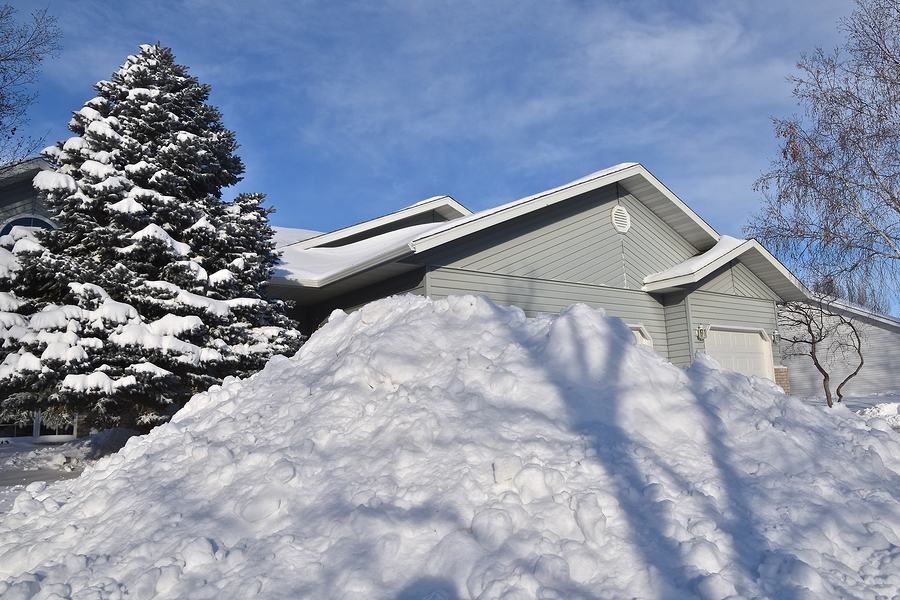
The fastest way to melt a large snow pile is to hit it with hot water from a hose and follow immediately with calcium chloride ice melt. Hot water softens the outer layer in minutes, and the calcium chloride generates heat that keeps working after the water drains. For a pile deposited by a plow, breaking it apart with a shovel first so it melts in thinner sections cuts the time in half compared to attacking it as a solid mass.
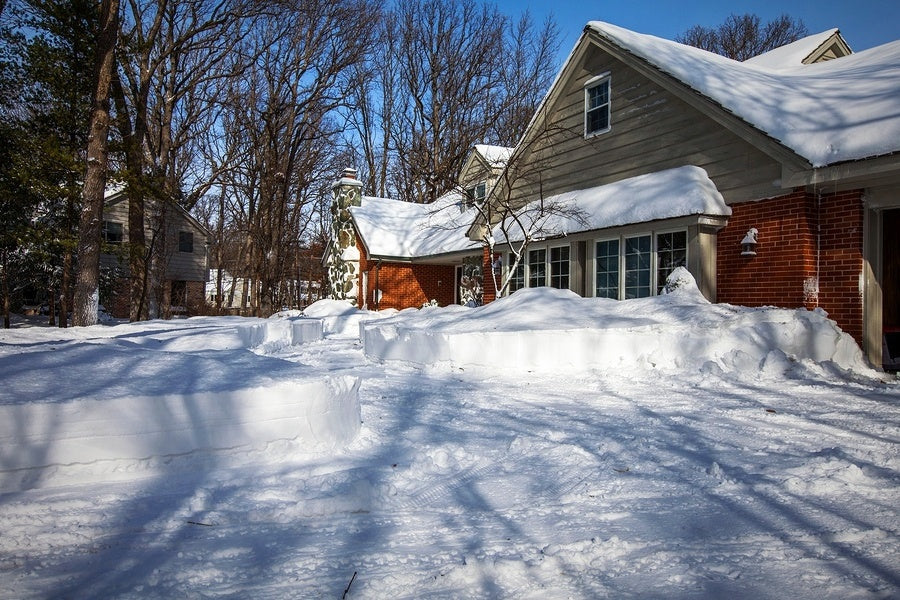
A huge snow pile blocking your driveway is one of winter's most frustrating surprises, especially when a plow pushes it there overnight and you need to get to work in an hour. The good news is that getting rid of it quickly is straightforward once you know which methods actually work and in what order to use them. This guide covers the fastest ways to melt snow fast, what works at different temperatures, and how to stop the same problem from happening after the next storm.
In This Article
Using hot water to melt a snow pile
A garden hose connected to a hot water tap is the quickest tool you already have. Hot water transfers heat directly into the snow mass and melts the outer layer fast, which makes the pile easier to break apart with a shovel. The catch is that this only works reliably when air temperatures are at or above 32 degrees F and climbing. If temperatures are still below freezing, the water will cool and refreeze within minutes, leaving you with a layer of smooth black ice that is worse than the original pile.
To use hot water effectively, spray the pile from the top down in 2 to 3 foot sections rather than soaking the whole thing at once. Work systematically so each section gets enough heat before you move on. After treating a section, break up the softened snow with a shovel and push the slush away from your driveway so it does not refreeze in place.
Hot water safety on concrete and asphalt
Very hot water applied repeatedly to concrete can cause minor thermal cracking over a long period, but a single application to clear a driveway poses no real risk to an established surface. On asphalt, high-temperature water is even less of a concern. The bigger risk is always refreezing: always direct meltwater away from paved surfaces before the temperature drops.
Which ice melt products work fastest
Not all ice melt products are equal. Rock salt (sodium chloride) is the cheapest option but stops working below about 15 degrees F and is slow to penetrate a dense pile. If you need to melt a large pile quickly, calcium chloride is the better choice.
| Product | Effective temp | Speed | Surface safety |
|---|---|---|---|
| Calcium chloride | Down to -25 degrees F | Fastest; generates heat | Moderate (safe for most surfaces) |
| Magnesium chloride | Down to -13 degrees F | Fast | Best (gentlest on concrete) |
| Rock salt | Down to 15 degrees F | Slow | Lowest (harms new concrete, plants) |
| Sand / kitty litter | Any temperature | Does not melt; adds traction | Best (no chemical contact) |
Calcium chloride works by absorbing moisture from the snow and releasing heat as it dissolves. That exothermic reaction gives it an edge on very cold days when other products stop working. Spread it at the rate shown on the package (usually 1 pound per 50 square feet) and give it 10 to 15 minutes to work before shoveling the softened material away.
What melts ice besides salt?
If you are out of ice melt, several household items can help. Dish soap mixed with warm water lowers the freezing point and can loosen a thin ice layer. Coffee grounds spread across the pile add traction and the dark color absorbs solar heat to accelerate melting. Beet juice brine is used commercially as a pre-treatment and works at temperatures down to -20 degrees F. These alternatives are most useful for light ice rather than a deep pile of compacted snow.
Skip the shoveling entirely. HeatTrak heated mats plug into any outdoor outlet and melt snow as it falls, so piles never build up in the first place. See residential mats for your home
Other ways to melt snow without chemicals
Black tarp method
On a sunny day, draping a black tarp over a snow pile works surprisingly well. Dark surfaces absorb solar radiation and transfer heat to the snow below. The method requires no products and no effort, but it depends entirely on sunshine and works best when temperatures are above 20 degrees F. On overcast days or in very cold weather, the effect is minimal. Think of it as a helper for a pile that is not urgently blocking anything, rather than a quick fix for a driveway you need clear in an hour.
Call the city
If a municipal plow created the blockage at the end of your driveway, contact your local public works or streets department. Many cities have a policy requiring crews to return and clear plow deposits that block private driveways, especially for residents with mobility limitations. The response time varies, but it costs nothing to ask and is worth the call before spending an hour digging out a pile that was not your doing.
Hire a removal service
Snow removal companies can haul large piles away entirely, which is the only real option when a pile has grown too large to melt in place safely. Prices vary by region and pile size, but for a one-time blockage after a major storm, it is often the most practical solution. Search for local snow hauling services before winter so you have the number ready when you need it.
Step-by-step: tackling a large pile fast
When you need a pile gone quickly, the order of operations matters. Doing these steps in sequence is faster than any single method applied on its own.
- Check the temperature: If it is above 32 degrees F and climbing, hot water is safe to use. If it is below freezing, skip to step 2 to avoid making ice.
- Spray with hot water (if safe): Work from the top down in sections. Spray for 30 to 60 seconds per section, then move on. The goal is to soften the pile, not soak the ground.
- Spread calcium chloride: While the surface is wet and loose, apply calcium chloride across the pile. The combination of hot water pre-treatment and ice melt is significantly faster than either alone.
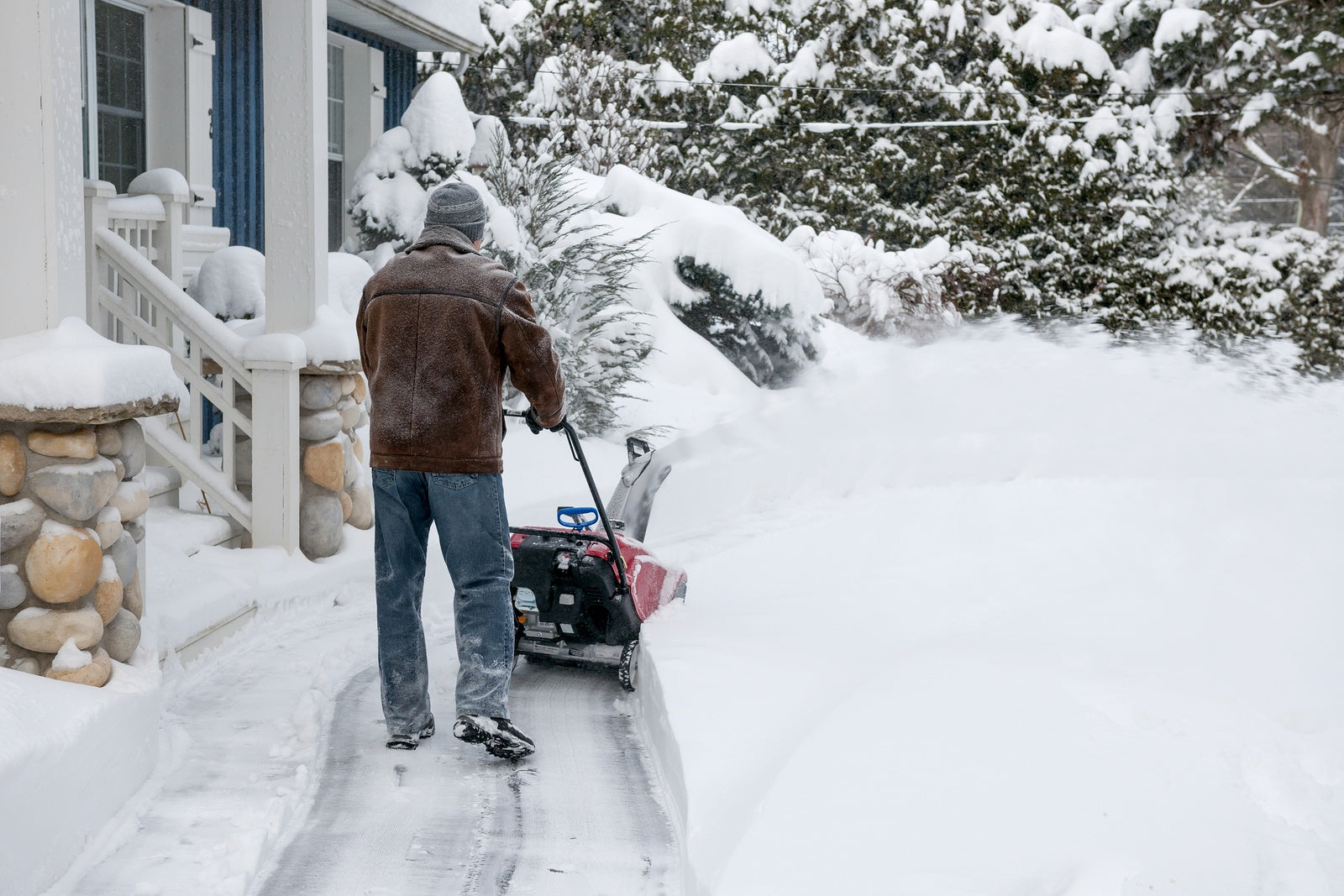
- Break up the pile with a shovel: Once the outer layer is soft, use a shovel or pusher to break the pile into smaller pieces and spread them out. Thinner snow melts in a fraction of the time of a dense mass.
- Push meltwater away: Use a push broom to move pooling water off the driveway surface. Left standing, it will refreeze when temperatures drop at night.
- Apply sand for remaining wet spots: Spread coarse sand or kitty litter over any still-wet areas to restore safe footing while the surface dries.
How to prevent plow blockages next storm
The most effective strategy for dealing with plow blockages is to make sure they cannot happen. Before any predicted storm, clear a 10-foot-wide open zone to the right of your driveway entrance, measured from the road. Street plows push snow to the right, so an open space there gives the snow somewhere to pile up that is not directly in front of your garage door.
If you live on a cul-de-sac or a route where the plow regularly dumps at your entrance, mark your driveway edges with snow stakes so the operator knows exactly where your property starts. Some plow drivers will be more careful around clearly marked driveways.
Heated mats as a long-term solution
For homeowners who deal with heavy accumulation every season, HeatTrak driveway mats are worth considering as a permanent fix. The mats plug into a standard outdoor GFCI outlet and heat to 40 degrees F above ambient temperature, melting snow as it falls rather than letting it pile up. They work in temperatures as low as -8 degrees F and require no chemicals, shoveling, or monitoring. Placing a mat at the end of your driveway where plows deposit snow keeps that zone clear automatically through any storm.
Key Takeaways
- Calcium chloride is the fastest chemical de-icer, working down to -25 degrees F and generating heat as it dissolves.
- Hot water melts snow on contact but creates a refreezing risk; only use it when air temperatures are at or above 32 degrees F and rising.
- Breaking a large pile into thinner sections before applying ice melt cuts melting time significantly compared to treating a dense, intact pile.
- A black tarp over a snow pile accelerates solar melting on sunny days without any chemicals or effort.
- Clearing a 10-foot open zone to the right of your driveway entrance before a storm prevents plow deposits from blocking your exit.
- HeatTrak driveway mats heat to 40 degrees F above ambient temperature and eliminate accumulation at the source, so large piles never form.
Stop shoveling. Start living.
HeatTrak mats plug into any outdoor outlet and melt snow as it falls, keeping your driveway, walkway, and stairs clear all winter without any effort.
Shop home matsFrequently Asked Questions
What melts snow the fastest?
Calcium chloride ice melt is the fastest chemical option, working in temperatures as low as -25 degrees F and generating heat as it dissolves. Hot water from a hose speeds up melting on smaller piles, though it creates refreezing risk if temperatures drop below 32 degrees F before the water drains. For large accumulated piles, combining hot water to soften the surface with calcium chloride to finish the job is the most effective approach.
Does hot water melt snow faster than ice melt?
Hot water melts snow faster on contact, but the effect is short-lived. Once the water cools, any remaining moisture can refreeze and create a hazardous ice layer. Ice melt products work more slowly but continue working for several hours and leave behind a brine layer that inhibits refreezing. For a quick result, use hot water first, then follow with ice melt to prevent the surface from refreezing.
What melts ice besides salt?
Calcium chloride and magnesium chloride work faster and at colder temperatures than rock salt. Sand does not melt ice but provides traction and absorbs solar heat to speed melting. Kitty litter works similarly to sand. Coffee grounds can also be spread to add traction and dark color that absorbs heat. For a long-term solution, heated snow-melting mats from HeatTrak prevent ice and snow from accumulating at all, removing the need for any de-icing product.
Can you use hot water to melt ice on a driveway?
Yes, but with an important caution: hot water will melt surface ice quickly, but if air temperatures are still below freezing, the water refreezes within minutes and creates an even slicker surface. Use hot water only when temperatures are at or above 32 degrees F and rising, and always follow with sand or ice melt to prevent refreezing. On asphalt, rapid temperature changes from very hot water can also cause minor cracking over time.
How do I stop the plow from blocking my driveway with snow?
Before a storm, clear a 10-foot-wide space to the right side of your driveway entrance (in the direction the plow travels). Plow operators push snow to their right, so an open area there gives the snow somewhere to go other than your driveway. You can also contact your local public works department to report recurring blockage; in some municipalities, the city is responsible for clearing plow-created obstructions at driveway entrances.
Will a black tarp melt a snow pile?
On sunny days, a black tarp draped over a snow pile absorbs solar radiation and transfers heat to the snow beneath, accelerating melting without any chemicals or effort. The technique works best on clear days with temperatures above 20 degrees F. On overcast days or in very cold weather, the effect is minimal. A black tarp is most useful for reducing a large pile that has been sitting for several days and is less practical for urgent removal.
What is the best way to melt snow on a driveway without damaging the surface?
Magnesium chloride is the least damaging ice melt for concrete and asphalt, and it works down to -13 degrees F. Avoid rock salt on new concrete (less than 1 year old) because it accelerates surface scaling. Sand and kitty litter add no chemical stress to pavement. Heated snow-melting mats from HeatTrak are the safest long-term option, since they prevent accumulation without any chemicals touching the surface.
About HeatTrak
HeatTrak is the original creator of plug-and-play heated snow-melting mats for homeowners. Since 2003, our mats have helped families across North America keep their driveways, walkways, stairs, and entryways safe and clear all winter without shoveling, salt, or professional installation. Shop our full line of residential mats at heattrak.com.