Quick Answer
Five effective methods for gravel driveway snow removal: (1) Leaf or snow blower, works for light, dry snow; raise the blower above gravel level; (2) Flat-edged shovel in layers, stop when 1 inch of snow remains, leaving gravel in place; (3) Heavy garden rake, breaks up compacted snow without pulling gravel; (4) Salt or de-icers, finish after mechanical removal; (5) Heated driveway mats, prevent snow from bonding to the travel path, eliminating removal entirely on those sections. The last approach is the only one that works automatically and requires zero manual effort.
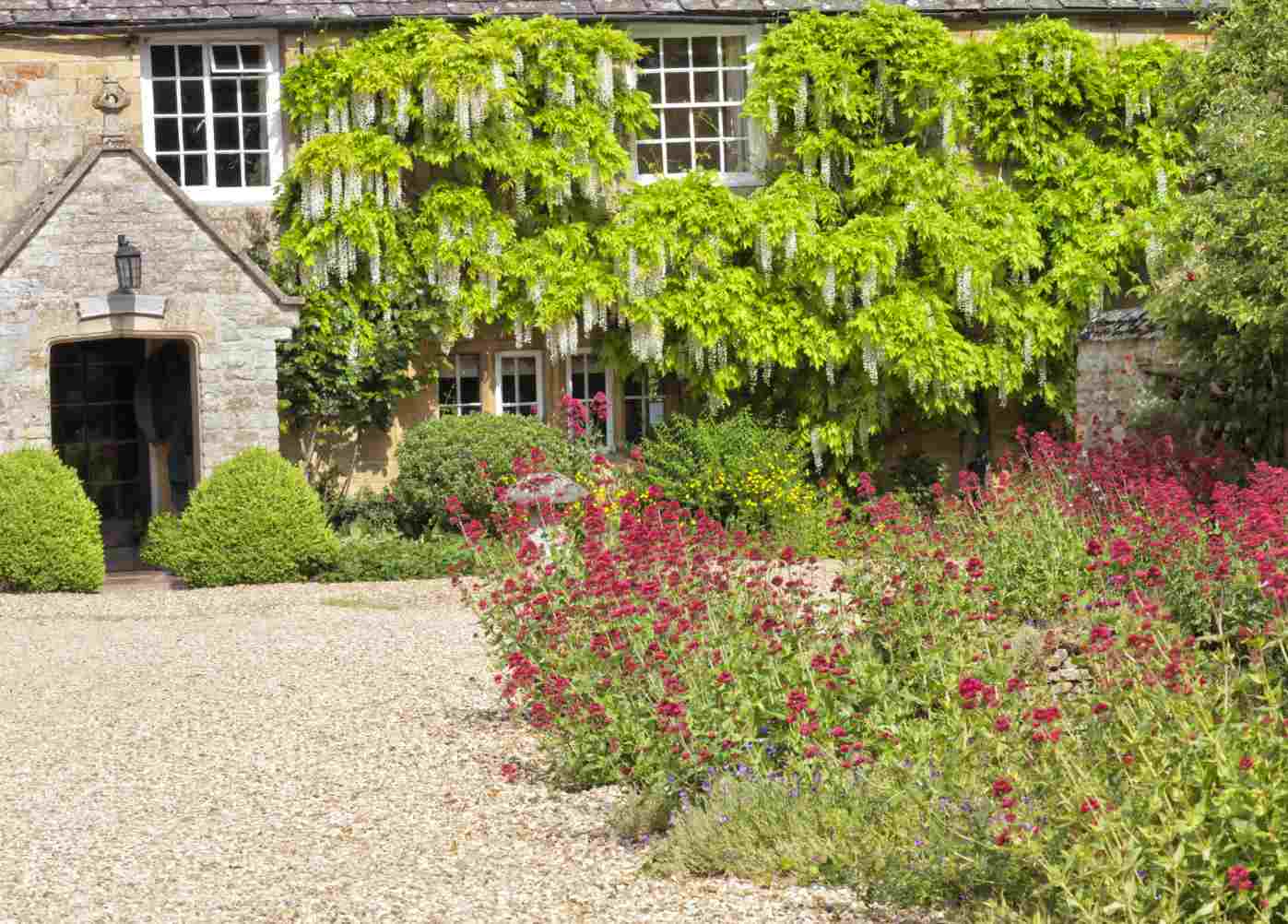
Gravel driveways are beautiful and practical, but they create a snow removal problem that concrete and asphalt owners don't face. You need the snow gone, but aggressive clearing methods take the gravel with it. The challenge is removing the snow without destroying the driveway surface in the process. Here are five approaches that work, and one that prevents the problem entirely.
What's Covered
The gravel driveway snow challenge
The issue with gravel driveways is geometric: snow and gravel both sit on the surface, and any aggressive scraping method removes both together. A snow plow or snow blower set to scrape the surface will throw gravel as readily as it throws snow, damaging the machine, displacing your driveway material, and creating a gravel-projectile hazard. Traditional shoveling, done too aggressively, has the same effect.
The goal is to remove the snow mass without ever contacting the gravel underneath it, which requires either staying a controlled height above the surface, or melting the snow rather than moving it mechanically.
Method 1: leaf blower or snow blower
For light, dry snow, the fluffy kind that falls in below-freezing temperatures, a leaf blower is surprisingly effective. You're blowing the snow away without ever contacting the surface, so no gravel is displaced. This works well for 2–4 inches of dry snow; it becomes ineffective for wet, heavy, or compacted snow.
A snow blower can handle heavier snow, but requires adjustment: raise the skid shoes to keep the auger running 1–2 inches above the gravel surface. You'll leave a thin layer of snow on the driveway, but the gravel stays in place. Never lower a snow blower to the surface on gravel, the auger will pick up stones and throw them at high velocity.
Method 2: Flat-Edged shovel (in layers)
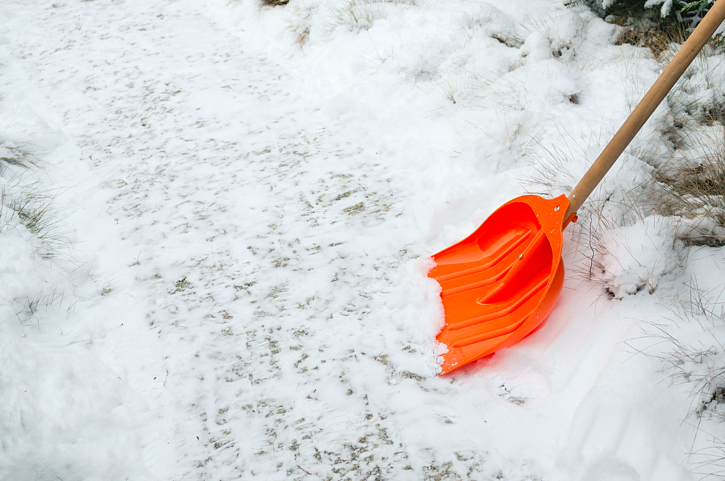
A flat-bottomed shovel, not a curved snow shovel, is the manual tool of choice for gravel driveways. Work in layers: remove the bulk of the snow down to within about an inch of the surface, then stop. That bottom inch of snow insulates the gravel beneath it; when you stop short of the gravel, the surface layer of stones stays where it belongs.
The result isn't a perfectly clear driveway, a thin snow layer will remain, but it's significantly safer than an unshoveled surface and leaves your driveway intact. Salt or de-icers can address the remaining layer if needed.
Method 3: garden rake
A heavy-duty garden rake with tines spaced about an inch apart is an underrated tool for gravel driveway snow. It's effective at breaking up compacted or crusted snow, the kind that's too heavy to blow but too attached to the surface to shovel cleanly. The tines pass through the snow without the leverage to lift significant gravel, particularly if you pull rather than dig. Some gravel will move, but it's significantly less than what a shovel or blower would displace.
Plan the Season Before It Starts
The beginning of winter, or ideally, the fall, is the time to assess your gravel driveway's drainage and compaction. Loose, shifting gravel is harder to clear around than well-compacted gravel. If your driveway surface has eroded or thinned, adding new gravel before the first freeze gives it time to settle and reduces the amount that gets displaced in snow removal.
Method 4: salt and De-Icers
Salt and chemical de-icers are compatible with gravel driveways (there's no concrete to damage), but they come with their own considerations. Runoff from salted gravel will carry into adjacent soil and landscaping, rock salt kills grass and most plants at meaningful concentrations. If your driveway runs through landscaping or adjacent to a lawn, consider using calcium chloride or magnesium chloride in reduced quantities, which are less damaging than rock salt at equivalent melting performance.
Also be aware of what salt tracks to: if your gravel driveway meets a concrete garage floor or a paved walkway, salt carried on tires and shoes will migrate to those surfaces and cause the concrete damage that wouldn't affect the gravel itself.
Method 5: heated mats (Prevention)
All four methods above are reactive, they address snow after it has fallen. Heated mats take a different approach: they prevent snow from accumulating and bonding to the surface in the first place.
For the tire-path sections of a gravel driveway, the two tracks a vehicle uses to drive in and out, HeatTrak heated driveway mats are rated for vehicle traffic and can be placed directly on the gravel surface. They melt up to 2 inches of snow per hour, keeping the mat surface clear throughout every storm. Because the mat prevents the snow from contacting the gravel at all, there's nothing to displace.
The mats connect via watertight cables to a single indoor outlet. Radiant in-ground heated driveways cost $14–24 per square foot installed, portable mats cover the same function on the critical travel path at a fraction of the cost, with the added benefit of being storable when not needed.
For the pedestrian approach to the house, the walkway from the driveway to the front door, residential walkway mats handle foot traffic and connect to the same system.
Stop moving snow. start melting it.
HeatTrak heated driveway and walkway mats prevent snow from accumulating on your most-used surfaces, without blowing, shoveling, or disturbing your gravel driveway.
Shop Heated Mats →Frequently Asked Questions
How do you remove snow from a gravel driveway without moving the gravel?
Five approaches: leaf/snow blower (raised above the surface for light dry snow); flat-edged shovel in layers (stop 1 inch above the gravel); heavy garden rake (breaks up compacted snow without significant displacement); salt/de-icers after mechanical removal; heated driveway mats on the tire path (prevent accumulation entirely). The first four remove snow after it falls; the last prevents it from accumulating in the first place.
Can you use a snow blower on a gravel driveway?
Yes, but raise the skid shoes so the auger runs 1–2 inches above the surface. This blows the bulk of the snow without scraping into the gravel. Never lower a snow blower to the gravel surface, the auger will throw stones at high velocity. For light, dry snow, a leaf blower is safer and equally effective.
What is the easiest way to deal with snow on a gravel driveway?
HeatTrak heated driveway mats on the tire-path sections of the driveway, they're rated for vehicle traffic, prevent snow from accumulating on the mat surface, and run from a single outdoor outlet. The remainder can be handled with a raised snow blower or shovel. For adjacent walkways, residential walkway mats connect to the same system.
Is rock salt safe to use on a gravel driveway?
Rock salt won't damage the gravel itself, but runoff can kill adjacent grass and landscaping. Watch for salt tracking onto any concrete surfaces at the end of the driveway. For driveways with adjacent plantings or pets, calcium chloride or magnesium chloride in reduced quantities cause less collateral damage, or heated mats eliminate the need for de-icers on the sections that matter most.
About HeatTrak
HeatTrak heated driveway and walkway mats are rated for vehicle and pedestrian traffic and can be placed directly on gravel surfaces, keeping your tire path and walkway clear without disturbing your driveway surface. Browse the full residential lineup at heattrak.com/pages/shop-residential.