
Quick Answer
A pre-winter snow removal training day accomplishes four things no storm-day briefing can: (1) Safety refresher, mandatory for all crew; equipment operation, cold-weather health risks, emergency response; (2) Equipment familiarization, operators practice attaching plows/spreaders, perform circle checks, practice reversing; problems are found now, not during the first storm; (3) Site walkthrough, physical tour of priority areas, machinery assignments, de-icing protocols, and risk locations; (4) Communications setup, confirmed contacts, shared weather source, documented default plans, designated manager per scenario. Train before winter. Not during it.
Winter weather can arrive before anyone is ready for it, and even when the forecast is accurate, the aftermath of a major storm requires rapid, organized response from a team that knows exactly what to do. That preparedness doesn't happen by accident. It's the product of a deliberate pre-season training day held before the first storm puts everything under pressure.
What's Covered
Why Pre-Winter training matters
Snow removal operations fail in predictable ways, and almost all of them trace back to the same root cause: something that should have been prepared before the storm was left unaddressed. Equipment with mechanical issues that weren't discovered until it was needed. Operators who hadn't touched the equipment since the previous winter and needed 20 minutes to remember the plow attachment procedure. A crew member who received a storm call at 3 AM and didn't know which manager to contact with a question. A high-priority area that accumulated ice for three hours because no one had assigned it to a specific operator.
A pre-winter training day is the structured process for eliminating those failure modes before they cost time, safety incidents, or regulatory exposure. It's also an OSHA documentation requirement in facilities where employees operate powered snow removal equipment, training records demonstrating that operators have been trained on safe equipment operation are part of compliance documentation.
Schedule the training day 2–4 weeks before the typical first frost in your region. This allows time to address any equipment issues discovered during the session, order any needed parts or supplies, and make any staffing adjustments before the season begins.
Element 1: safety protocols and health risks
Make attendance at the safety refresher mandatory for all personnel who will be involved in snow removal, including experienced veterans. After months away from winter operations, even highly experienced crew members benefit from a refresher. The goal is shared, current knowledge across the entire team.
Equipment safety: Operating snow removal equipment safely in winter conditions requires specific practices that aren't intuitive. Reversing is the highest-incident movement for plow operators, limited rear visibility, unfamiliar surroundings, and fatigue all contribute. Practice reversing in the actual areas where the equipment will be used. Circle checks, a complete physical inspection of the vehicle and equipment before each use, should be second nature for every operator.
Physical health risks: Snow removal is physically demanding work in conditions that compound fatigue rapidly. Cover shoveling technique that reduces back and cardiac strain, the leading causes of shoveling-related injury and death. Cover signs of cold stress: extended shivering, numbness, confusion, and skin color changes are early warning signs that require bringing a worker inside. Establish a policy on how long workers can operate outside continuously and when mandatory warm-up breaks are required.
Sleep deprivation: Storm calls often happen at 2–4 AM, and crews may work 12+ hours during and after a major event. Sleep-deprived equipment operators are significantly more likely to have incidents. Cover recognition of impairment, buddy systems for early-morning operations, and the protocol for removing a worker from equipment duty if their condition warrants it.
Document Everything
Keep training attendance records, topics covered, and sign-in sheets from the training session. OSHA's General Duty Clause requires that employers train employees on the hazards specific to their job, and in an OSHA enforcement action following a winter incident, training documentation is a primary mitigating factor. A well-documented training session is worth significantly more than an undocumented one, even if the content was identical.
Element 2: equipment familiarization and inspection
Equipment that has been sitting in storage since March will often have mechanical issues that only become apparent under operation. Oil has settled, belts have dried, fuel has gummed in carburetors, and batteries have discharged. The training day is the time to discover these issues, not during the first operational call of the season.
Take operators to each piece of equipment and have them perform a full inspection and operational check, under supervision, before the season begins. For plow vehicles: practice attaching and detaching the plow; operate the plow through its full range of motion; verify hydraulic fluid levels and check for leaks. For snow blowers: start the engine and run at operating load; inspect belts, impeller, and auger for wear; verify oil level and condition. For spreaders: run a calibration check with the material that will be used; inspect for corrosion and material buildup from the previous season.
Have crew practice the specific movements they will use most during actual operations, reversing, tight turns in restricted areas, operation near pedestrians and obstacles. Muscle memory for these movements deteriorates over a summer; 30 minutes of practice before the season restores it.
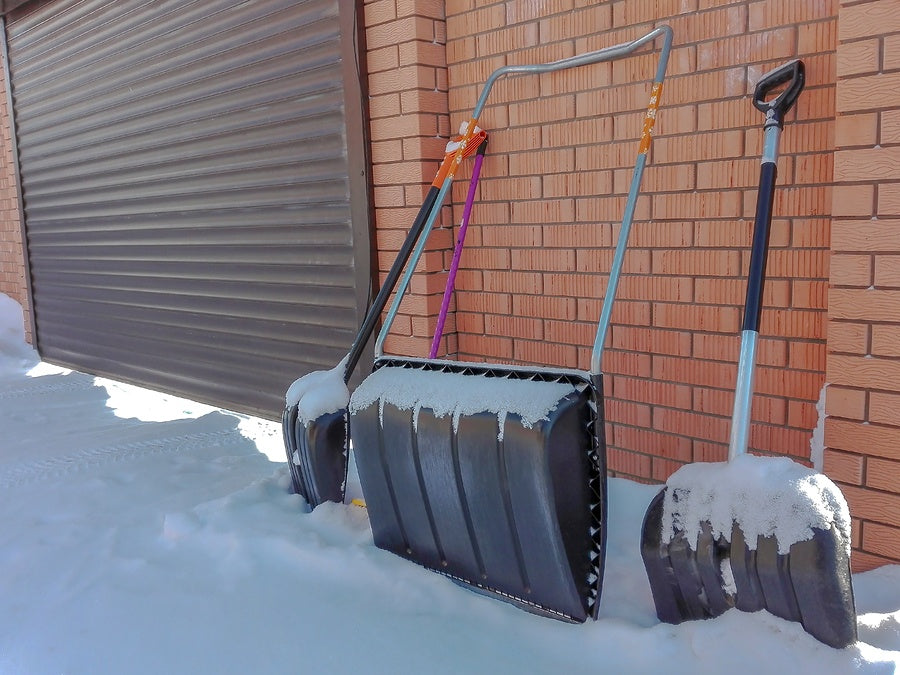
Also verify equipment storage and access: where do snow shovels live? Where are the bags of de-icer? Where are the snow stakes? In the middle of a storm, a crew member who has to search for supplies for 10 minutes is 10 minutes of coverage that isn't happening.
Element 3: site walkthrough and priority areas
A paper briefing is insufficient for snow removal assignment clarity, conduct the site walkthrough physically, with the crew walking (or riding) through every area they will be responsible for. The physical context is necessary for operators to visualize how equipment will maneuver in each space, where snow will be moved to, and what obstacles to watch for under snow cover.
Cover the following for each area: Priority designation, building entries and primary pedestrian paths are always highest priority; they must be addressed first and maintained throughout the storm, because that's where employee and visitor incidents concentrate. Parking lot exit routes and secondary pedestrian paths are next. Peripheral areas that affect operations are last. Spell out the sequence explicitly so that in a major storm, operators know the priority order without needing to ask.
Equipment and method assignment, which machine covers which area, and what method is used (plowing, blowing, shoveling, de-icing). Assign areas to specific operators so there's no ambiguity about who is responsible for each section.
De-icing protocol, which areas receive which de-icing agents, in what quantities, and at what trigger conditions. Over-application wastes material and creates environmental compliance issues; under-application leaves surfaces hazardous. Calibrate spreaders at the training day and document the settings.
Risk locations, areas with drainage patterns that create re-icing risk after the storm; locations with buried utilities that limit plow depth; pedestrian crossing points where equipment and foot traffic conflict. Walk operators to these locations specifically.
Element 4: communications systems
A snow removal team that can't communicate during an overnight storm event is a team that will make suboptimal decisions, miss priority areas, and be difficult for management to direct. The communications system must be set up and verified before winter, not improvised when the first call goes out at 2 AM.
Contact verification: Collect and verify current contact information for every crew member at the training day. Phone numbers change; email accounts get abandoned. Confirm the best contact method for storm calls, text vs. call, and the expected response window from contact to confirmation of mobilization.
Weather source alignment: Designate one authoritative weather forecasting source and ensure everyone is using it. Crew members looking at different forecasts will have different expectations for storm timing and accumulation, which creates coordination problems when the storm arrives earlier or heavier than one person expected.
Default plan documentation: Document what happens automatically when different storm scenarios occur, so that for routine events, the crew doesn't need to wait for instructions. Example: "When 2+ inches of snow is forecast starting after midnight, the primary crew mobilizes at 4 AM without needing a call-in confirmation." Default plans eliminate the middle-of-the-night management overhead for predictable scenarios while preserving management discretion for edge cases.
Manager designation: Every crew member must know which specific manager to contact with real-time questions or emergencies, and that manager's backup. Not a general facility number; a specific person who has been told they're on call for storm communications.
One less variable for your team to manage
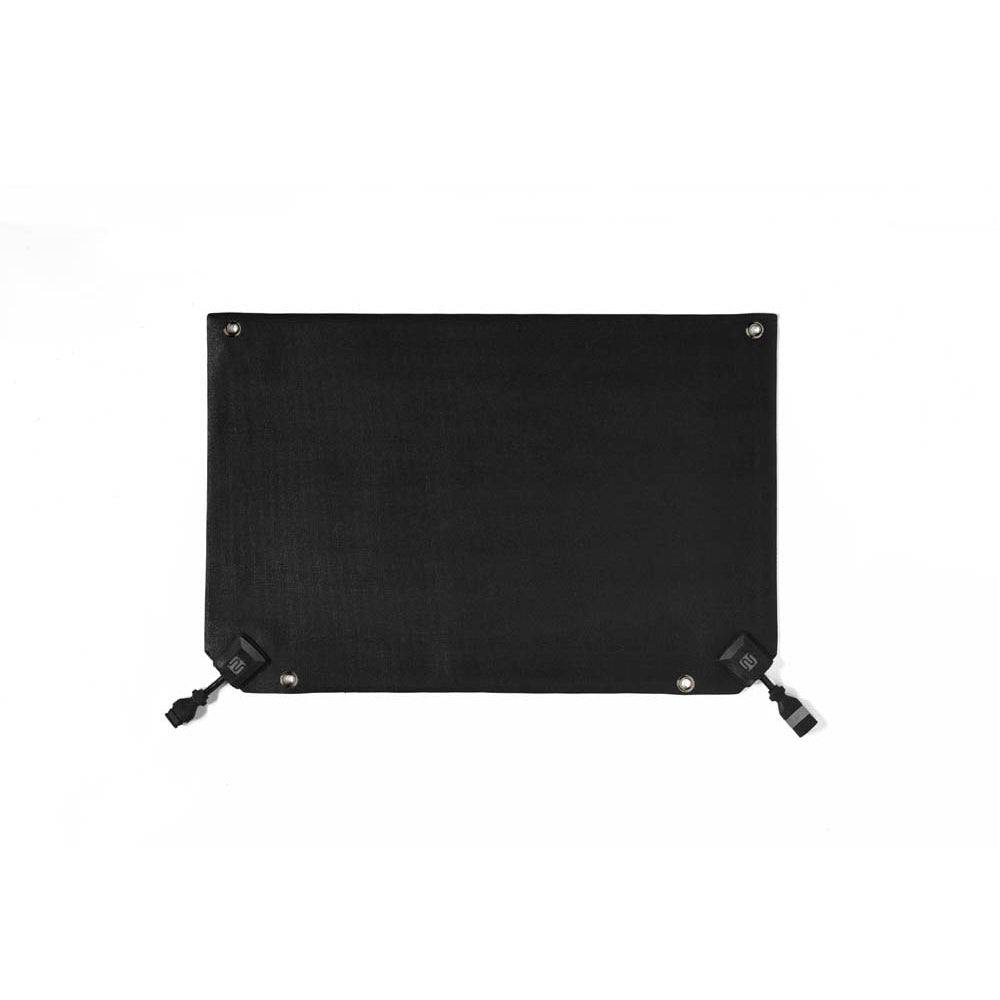
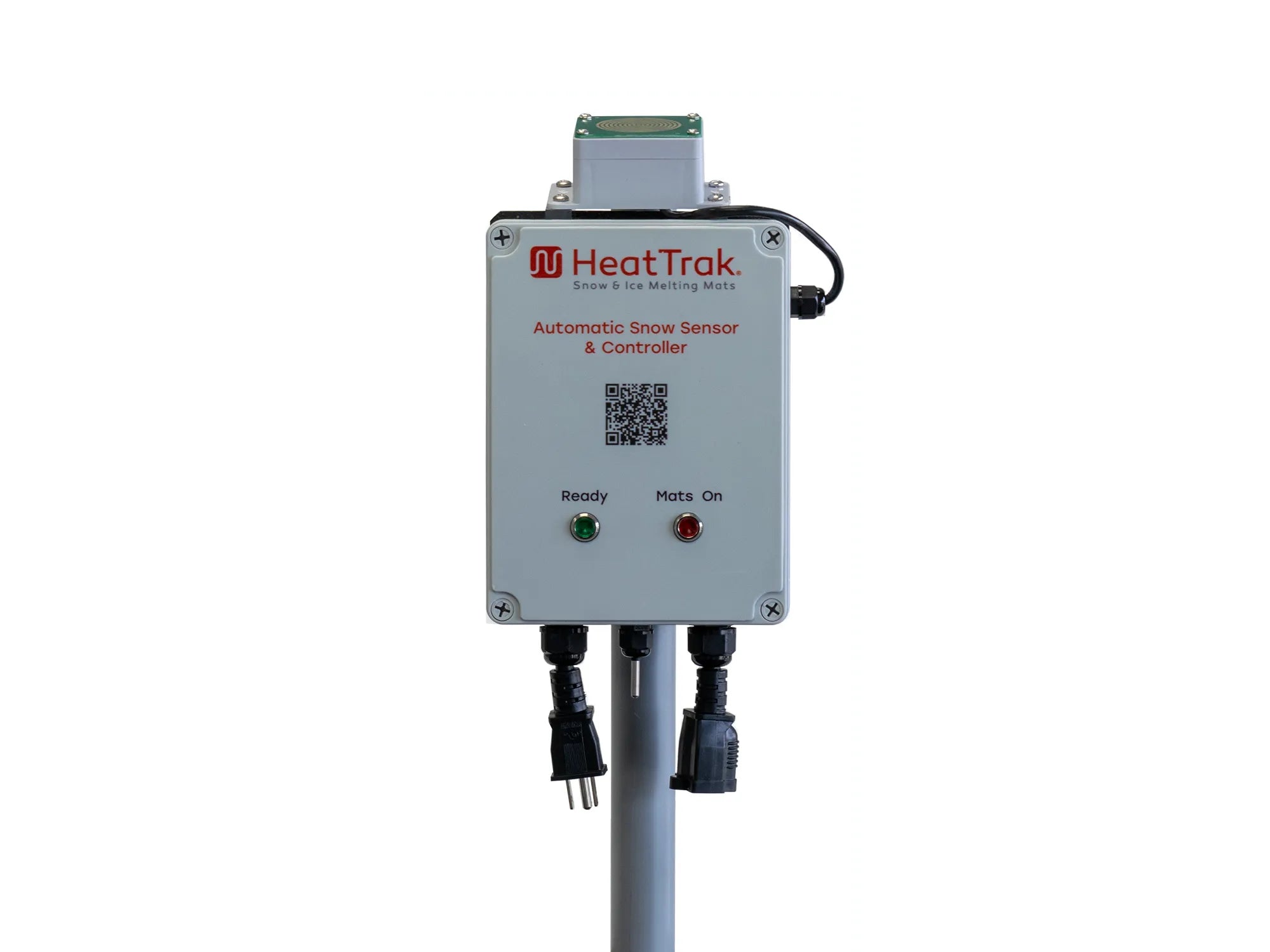
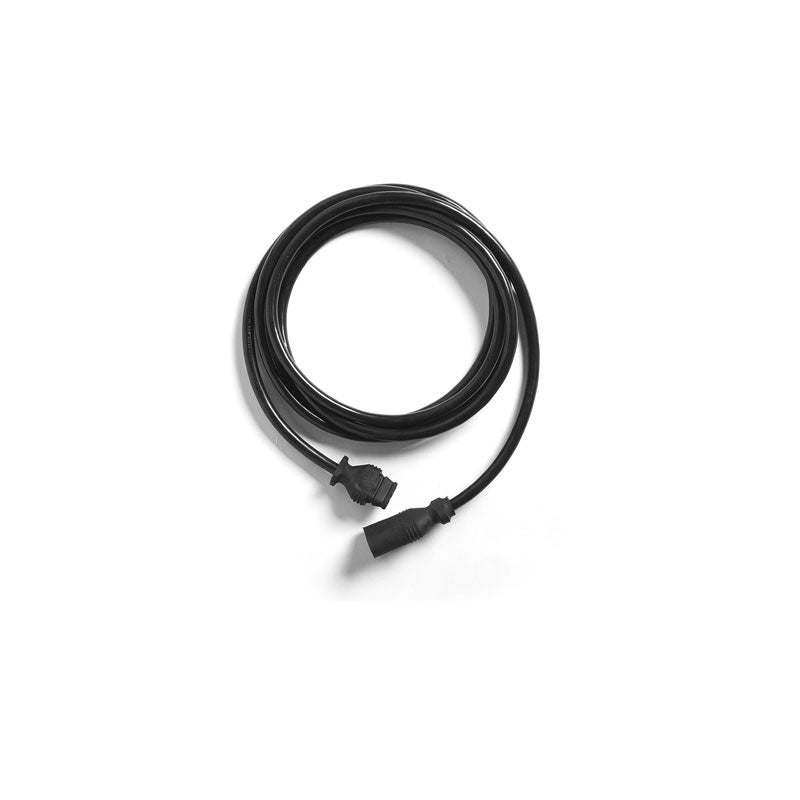
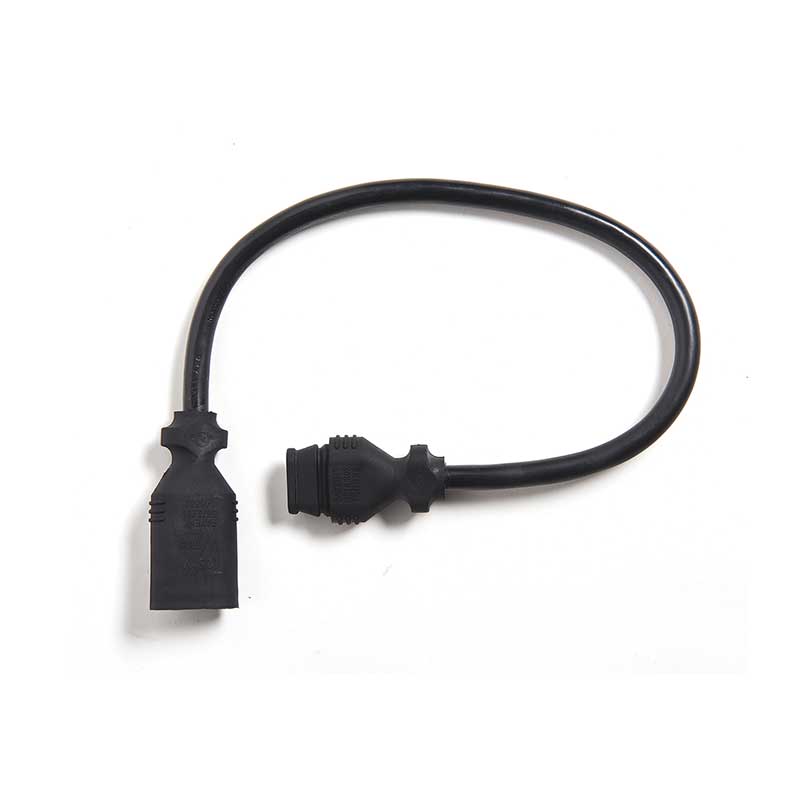
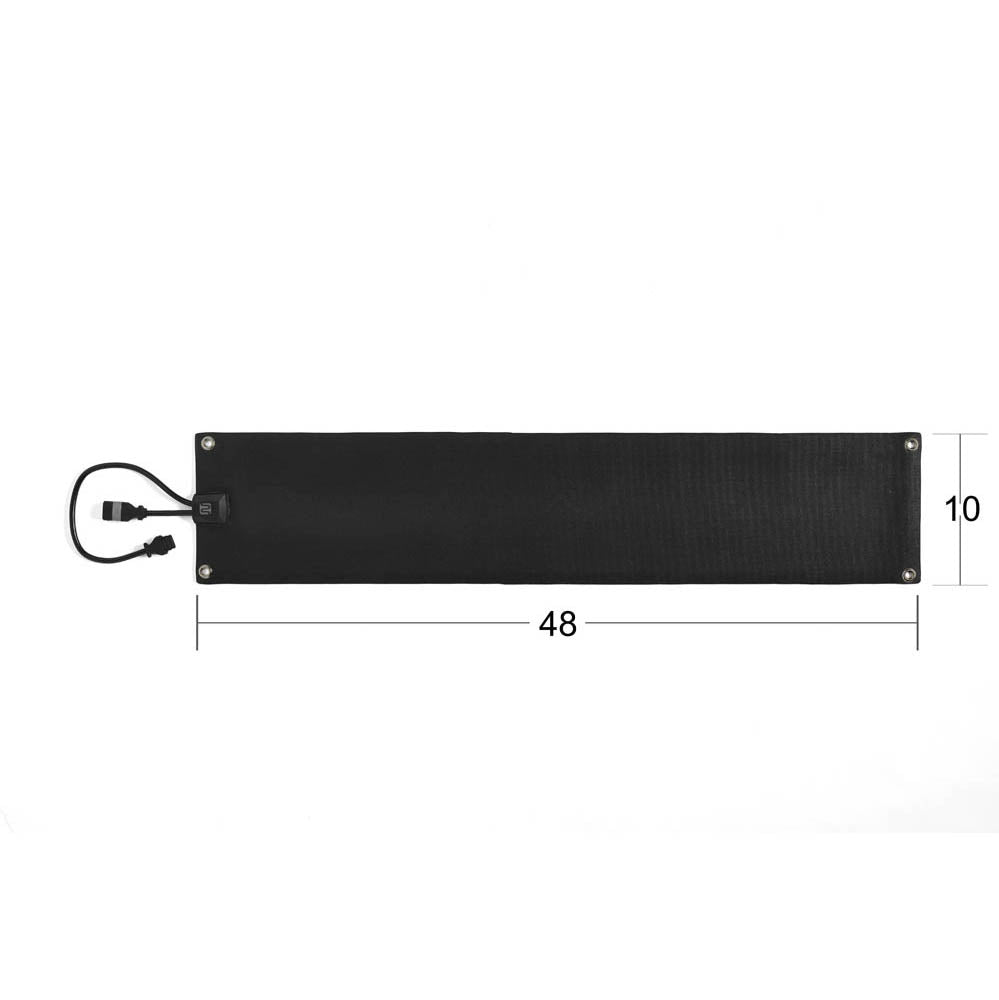
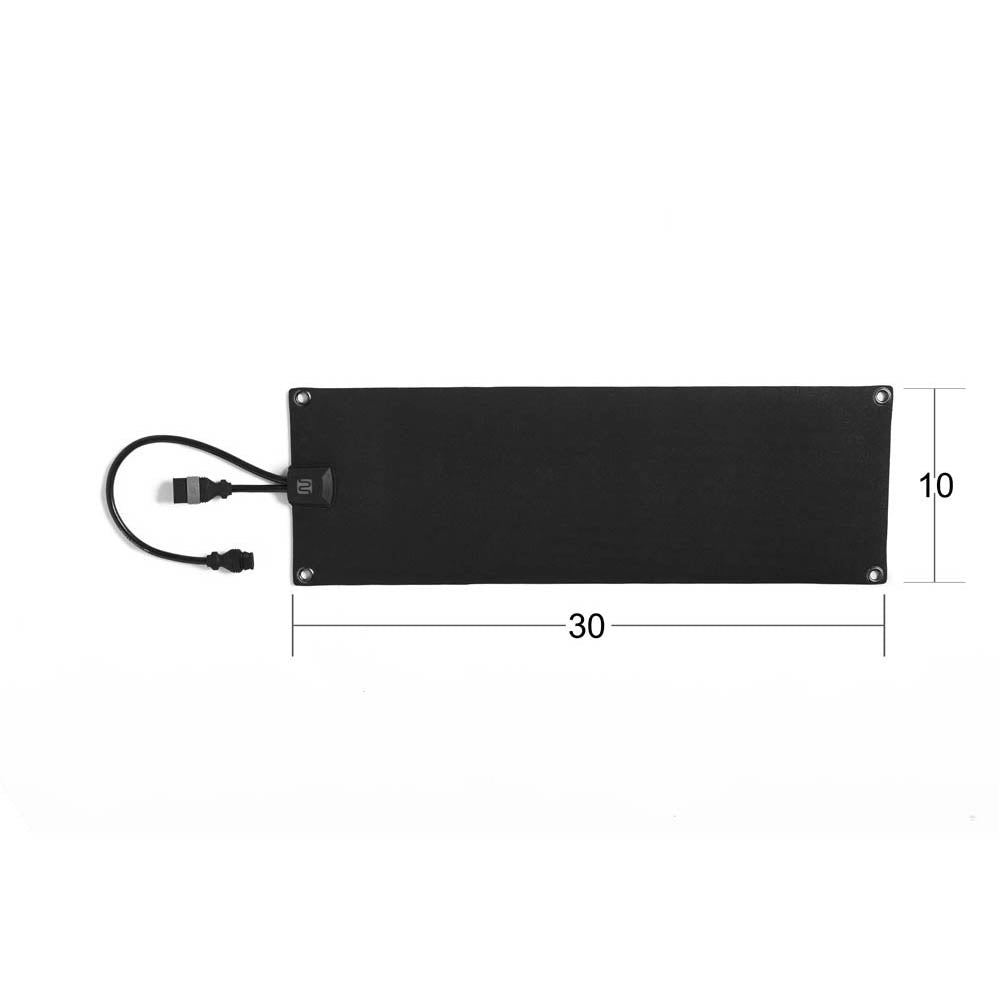
HeatTrak industrial heated mats at building entries and primary walkways work automatically, no operator assignment, no mobilization call required. They close the highest-priority coverage zone from storm onset, every time.
Request a Free Quote →Frequently Asked Questions
Why should facilities hold a snow removal training day before winter?
Pre-winter training serves four purposes: finds equipment problems before they happen during a storm; restores operator proficiency that fades over summer; establishes shared team knowledge of priority areas and protocols before pressure makes communication harder; and verifies communications systems are current and understood. It's also required for OSHA safety documentation, training records matter significantly in enforcement actions following a winter incident.
What should be covered in a pre-winter snow removal safety training session?
Safety protocols (equipment operation, cold-weather health risks including cold stress and hypothermia, proper shoveling technique for back and cardiac safety); equipment-specific training with operators physically practicing attachment, circle checks, and reversing; health hazard recognition for sleep deprivation on overnight call-in shifts; emergency response protocol and first aid location; and OSHA documentation (record attendance and topics covered, it's your compliance paper trail).
How should facilities brief their snow removal crew on priority areas and procedures?
Conduct a physical site walkthrough, not a paper briefing. Walk operators through every assigned area, covering priority designation (entries first, always), equipment and method assignment per area, de-icing protocol (type, quantity, trigger conditions), risk locations (drainage patterns that cause re-icing, pedestrian/equipment conflict points), and emergency response locations. Physical context is necessary for operators to plan maneuvers and visualize the work before doing it under storm conditions.
What communications systems should be established before the winter snow season?
Verify current contact information for every crew member at the training day; designate one authoritative weather source everyone uses; document default plans for common storm scenarios so routine events don't require middle-of-the-night management calls; designate a specific manager (with backup) for real-time storm questions. Communications failures during storms are almost always preventable with pre-season setup, they're never preventable during a storm.
About HeatTrak
HeatTrak industrial heated mats reduce the operational demand on snow removal teams by automatically covering the highest-priority surfaces, building entries and walkways, from storm onset, without requiring dispatch or operator assignment. Request a free facility quote at heattrak.com/pages/request-a-quote-from-a-heattrak-pro.