
Quick Answer
Property management companies face three winter challenges: resident safety, resident satisfaction, and cost control. The 10 critical pre-season steps are: arrange snow removal contracts early; prepare walkway deicing supplies and mats; inspect the roof; trim hazardous tree limbs; inspect the chimney; clean gutters and downspouts; address exterior paint peeling; service heating systems; cover window AC units; and service water heaters. All 10 are best completed before November 1.
Preventative maintenance and winterization of residential properties costs money upfront, but it consistently saves more than it costs. The two most expensive winter outcomes for property managers are reactive emergency repairs (which cost 2-5x more than planned maintenance) and liability claims from resident accidents on improperly maintained common areas. Pre-season preparation prevents both.
In This Article
- 1. Prepare Snow Removal Contracts Early
- 2. Prepare Deicing Supplies and Entry Mats
- 3. Conduct a Thorough Roof Inspection
- 4. Trim Overhanging Tree Branches
- 5. Inspect the Chimney
- 6. Clean Gutters and Downspouts
- 7. Address Exterior Paint Peeling
- 8. Service or Replace Heating Systems
- 9. Cover or Remove Window AC Units
- 10. Service or Replace Water Heaters
- Frequently Asked Questions
1. prepare snow removal contracts early
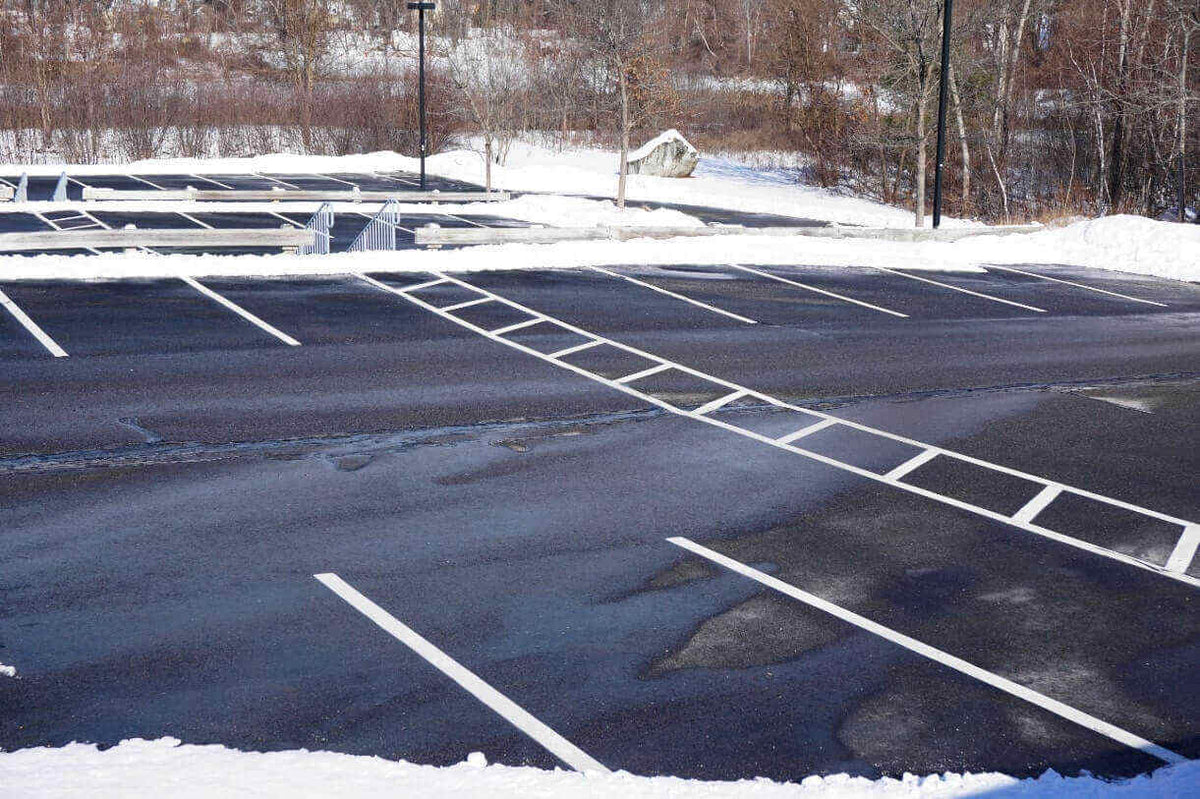
The best snow removal contracts are signed before October, not after the first storm of the season. Waiting until winter creates three problems: fewer properly insured contractors are available; prices are higher due to peak demand; and there's no time to establish the specific service terms your property requires, trigger depths, plowing frequency, response times after a storm begins.
Residential property managers should establish contracts with trigger depth clauses (the snowfall threshold at which plowing begins), response time guarantees, and liability insurance verification. Properties with multiple buildings should map all plow routes before winter so there are no surprises about which paths are covered and in what order.
2. prepare deicing supplies and entry mats
Deicing and anti-icing of walkways and entryways is not optional, it's the primary liability exposure point for residential properties. Residents who fall on icy common areas are a major source of property management liability claims, and courts consistently hold property managers to a duty of reasonable care to maintain safe surfaces.
Before winter, secure your deicer stockpile (rock salt, calcium chloride, salt brine) and consider a more passive solution for the highest-traffic zones, main building entries, stair areas, and frequently used common walkways. HeatTrak industrial snow-melting mats provide continuously clear surfaces at these zones throughout storms, without requiring crew response after each snowfall event.
Liability Is the Highest-Cost Winter Risk for Property Managers
Slip-and-fall incidents at building entries and common walkways are the most frequent winter injury event for residential properties. A single claim can exceed an entire season's snow removal budget. Passive snow-melting infrastructure at these zones reduces this exposure by maintaining clear surfaces continuously, not only in the hours after a crew responds.
3. conduct a thorough roof inspection
A leaking or structurally compromised roof caught in October costs a fraction of what it costs when discovered after a winter storm has driven water into the building. Key inspection points include: shingles (missing, cracked, or curling); roof flashing around chimneys and vents; attic insulation and ventilation (under-ventilated attics are primary ice dam locations); and existing ceiling stains below the roof that indicate prior unrepaired damage.
Keep ladders, long-handled roof rakes, and contact information for pre-approved roofing contractors readily accessible. During sustained snowfall events, roof snow removal may be necessary to prevent load accumulation, but never send staff onto a structurally unsafe roof.
4. trim overhanging tree branches
Dead or weakly attached tree branches that overhang the building roof, entrances, or parking areas become projectiles in winter storms. Ice accumulation can add hundreds of pounds of weight to branches that were borderline stable in normal conditions. Pre-season pruning of dead, damaged, or overhanging branches eliminates this hazard before it becomes an emergency repair or injury incident.
5. inspect the chimney
Chimney flashing, the tar or metal seal around the base of the chimney where it meets the roof, is a common water intrusion point in commercial and residential buildings. Cracked or degraded flashing allows water to penetrate around the chimney and leak into the building below. Pre-season inspection and re-sealing prevents winter water damage. Also inspect for any loose bricks or structural chimney damage that could create falling debris hazards.
6. clean gutters and downspouts
Leaf-filled gutters in fall become the primary driver of ice dam formation in winter. When gutters are clogged, melting snow from the roof can't drain and instead refreezes at the roofline, creating ice dams that back up water under shingles. The resulting water intrusion can cause significant interior damage. Full gutter cleaning before the first freeze is one of the highest-ROI pre-season maintenance items a property manager can undertake.
7. address exterior paint peeling
Peeling exterior paint exposes the underlying siding, sheathing, or masonry to direct moisture contact. Winter freeze-thaw cycles cause water that has penetrated through peeling paint areas to expand inside the material, accelerating damage. What looks like a cosmetic issue in September can become significant structural damage by spring. Touching up peeling areas before winter is far less expensive than siding replacement later.
8. service or replace heating systems
Forced-air heating systems require filter changes every 1–2 months during heavy-use periods to maintain efficiency. Dirty filters increase energy consumption and reduce air quality. For oil or gas furnaces, pre-season professional inspection, cleaning, and servicing ensures reliability through the coldest months, when HVAC failures are most costly to repair and most disruptive to residents. Systems more than 15 years old should be evaluated for replacement before an unexpected mid-winter failure.
9. cover or remove Window-Installed AC units
Window-mounted air conditioners left in place through winter create two problems: they allow cold air infiltration around the unsealed gaps in the window frame, and they're exposed to moisture, freeze-thaw damage, and wind-driven debris. Removing them or covering them with properly fitted insulated covers before the cold season reduces heating costs and extends the life of the units.
10. service or replace water heaters
Water heater failures create immediate resident impact, and failures tend to occur during peak demand winter months when units are working hardest. Pre-season service should include: flushing to remove sediment buildup (which reduces efficiency and accelerates tank corrosion); inspecting the pressure relief valve; checking the anode rod; and testing the thermostat. Units more than 8–10 years old should be evaluated for replacement before they fail, particularly in multi-unit properties where the impact of a failure affects many residents.
Protect your building entries and walkways this winter
HeatTrak industrial heated mats keep common area entrances, walkways, and stairways continuously clear during storms, reducing your highest liability exposure without adding crew time or chemical cost.
Request a Free Quote →Frequently Asked Questions
What should property managers do to prepare for winter?
Property managers should: arrange parking lot snow removal contracts early (by October); prepare deicing supplies and entry snow-melting mats for high-traffic zones; conduct a roof inspection; trim overhanging tree branches; inspect and reseal the chimney; clean gutters and downspouts; address exterior paint peeling; service or replace heating systems; cover window AC units; and service or replace water heaters. All 10 steps are best completed before November 1.
How should property management companies handle walkway and entry deicing?
For high-traffic zones, building entries, common area walkways, and stairways, passive snow-melting mats provide continuous ice-free surfaces without requiring crew response after each storm. For parking lots and lower-traffic paths, deicing material stockpiles should be secured before winter. Inadequate deicing in pedestrian zones is one of the most common sources of slip-and-fall liability for residential property managers.
When should property managers arrange snow removal contracts?
Property managers should arrange snow removal contracts well before winter, ideally by September or October. Waiting means fewer contractor options, higher rates, and less time to establish the specific service terms your property needs.
What roof inspection should property managers do before winter?
Inspect shingles, roof flashing around chimneys and vents, gutters and downspouts, attic insulation and ventilation (primary ice dam driver), and any existing ceiling stains below the roof indicating prior unrepaired damage.
How can property managers reduce heating costs in winter?
Service forced-air systems and change filters regularly; inspect and seal window and door weatherstripping; upgrade aging water heaters to energy-efficient models; ensure adequate attic and exterior wall insulation; and use programmable thermostats in common areas to reduce overnight heating costs.
About HeatTrak
HeatTrak manufactures industrial-grade heated snow-melting mats for commercial and residential property management applications. Our mats keep building entries, walkways, and stairways continuously clear during winter storms, reducing slip-and-fall liability at the zones where residents are most at risk. Explore our commercial line at heattrak.com/pages/shop-commercial or request a custom quote.